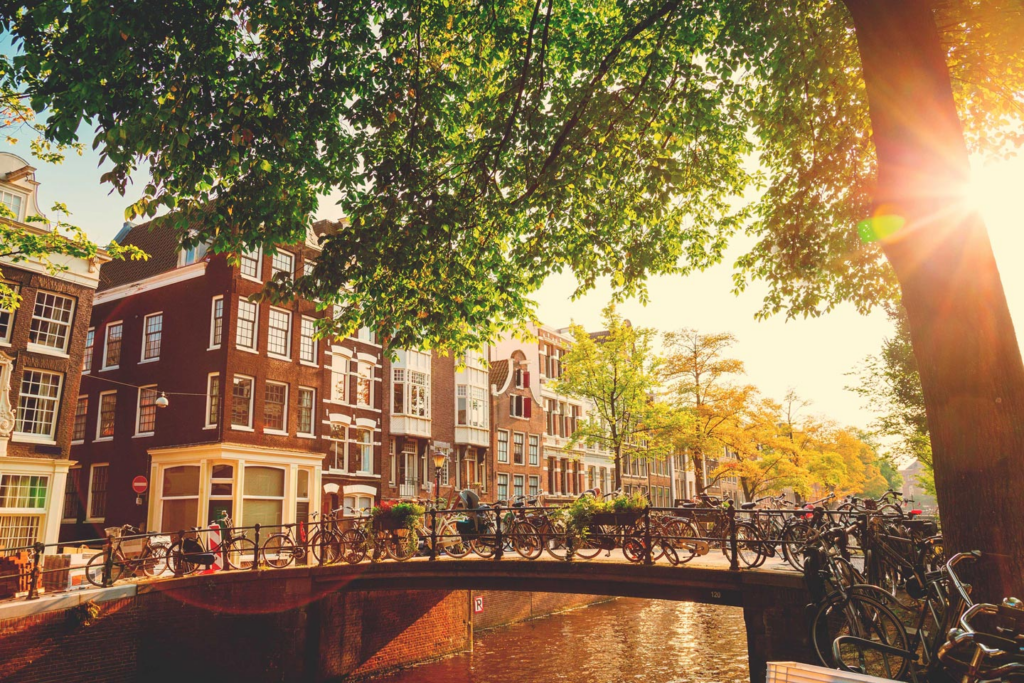
Amsterdam Canals: What to See and How to Explore Them
The Amsterdam canals are worth exploring both on foot and from the water. Walking gives you the freedom to discover bridges, canal houses and quieter side streets, while a cruise reveals how the waterways and architecture fit together. Allow two to four hours for a first visit. If time and budget permit, combine a canal cruise with a separate walk through the western canal ring, Jordaan or Nine Streets.
Why Are the Amsterdam Canals Special?
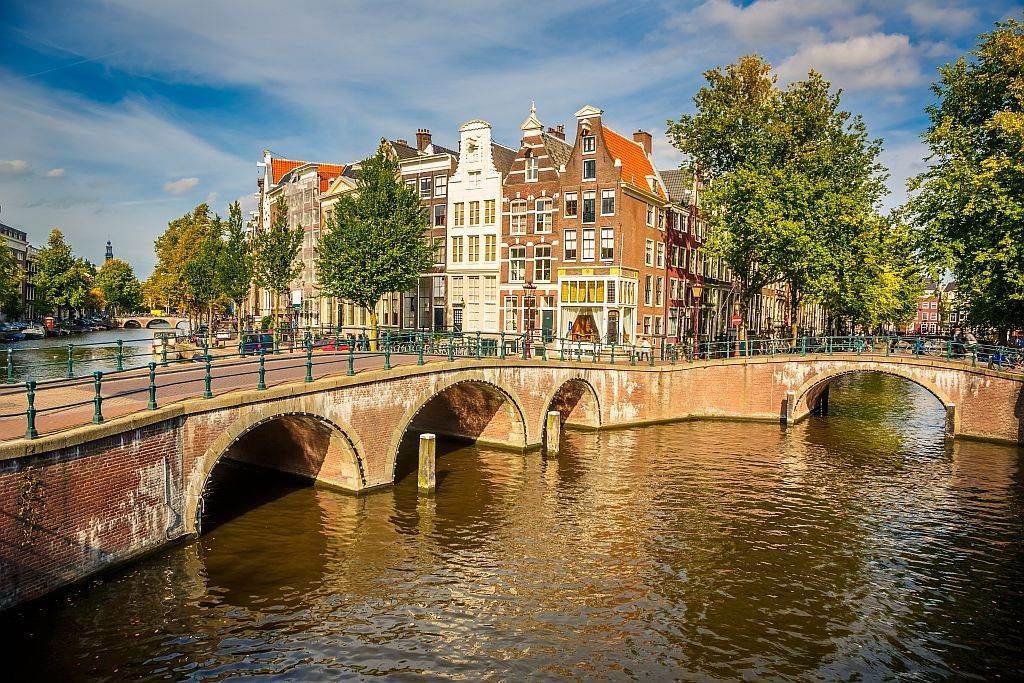
The Amsterdam canal ring, known in Dutch as the Grachtengordel, is one of the city’s defining features. Its waterways, bridges, narrow houses and former warehouses form a carefully planned urban landscape rather than a collection of separate attractions.
The canal district was developed as Amsterdam expanded during the late sixteenth and seventeenth centuries. The canals supported drainage, transport and the organization of new residential and commercial areas.
The seventeenth-century canal ring inside the Singelgracht has been part of the UNESCO World Heritage List since 2010. UNESCO recognizes it as an influential example of large-scale urban planning based around a system of concentric waterways.
The area remains part of a living city. Canal houses are used as homes, offices, hotels, museums and businesses. Tour boats, private vessels, bicycles, deliveries and local residents all share the district.
That combination of architecture, history and everyday urban life makes the canals essential to understanding Amsterdam.
The canals are particularly suitable for first-time visitors, walkers, photographers and travelers interested in architecture or urban history. They may be less appealing if you expect every canal to feel quiet and untouched. Amsterdam is a busy city, and the most famous sections can become crowded.
Which Canals and Areas Should You See?
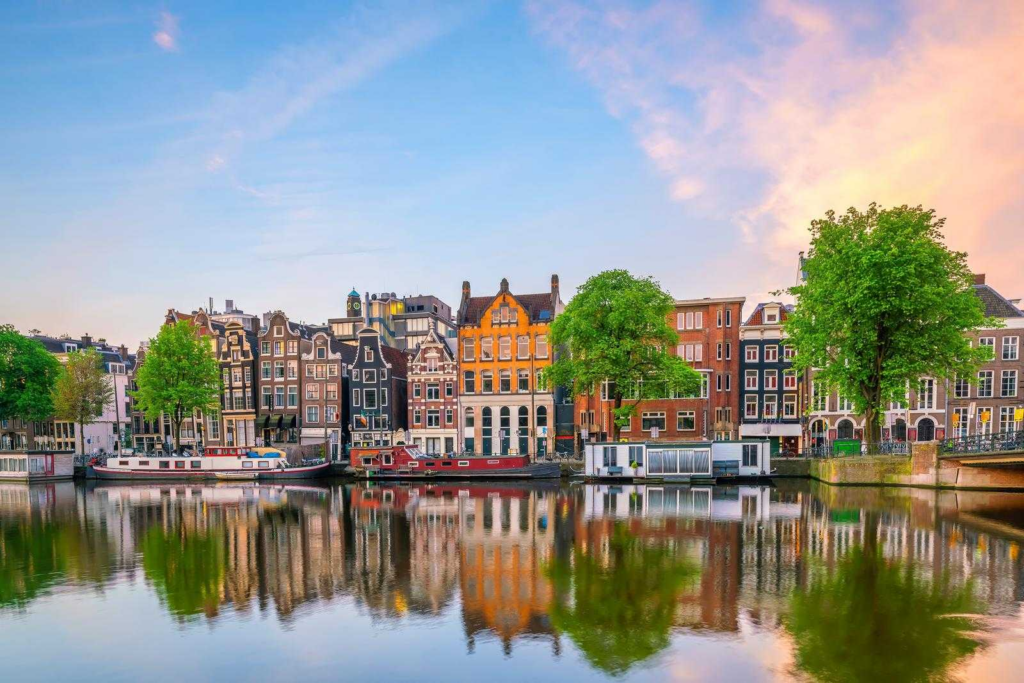
You do not need to walk along every major canal. A focused route through two or three areas provides more variety and leaves time to stop.
Herengracht
Herengracht is known for some of the grandest canal houses in Amsterdam. The most prestigious section is the Gouden Bocht, or Golden Bend, where wealthy residents built especially large homes.
Choose Herengracht if architecture, historic wealth and formal city planning are your main interests.
Keizersgracht
Keizersgracht is the widest of the principal canals. Its long perspectives and substantial canal houses give it a more spacious and stately character.
It works best as part of a wider walk rather than as a destination on its own.
Prinsengracht
Prinsengracht offers the broadest mixture of residential buildings, houseboats, museums, cafés and daily activity. Well-known locations along or near it include Westerkerk and the Anne Frank House.
This is one of the most useful canals for a first visit because it combines recognizable views with access to the Jordaan and Nine Streets.
Brouwersgracht
Brouwersgracht lies at the northern end of the western canal ring. Former warehouses, boats and bridge views create a different atmosphere from the grand residential sections of Herengracht.
It is a strong starting point for a walk from Amsterdam Centraal, particularly early in the day.
Jordaan and the Nine Streets
The Jordaan contains smaller canals, residential streets, cafés and independent shops. It feels more intimate than the principal canals.
The Nine Streets, known as De Negen Straatjes, cross the major canals and combine historic architecture with shops and cafés. They fit naturally into a canal walk but can become busy during the afternoon and on weekends.
Walking or Canal Cruise?
Walking and cruising reveal different sides of Amsterdam.
Walking allows you to cross bridges, inspect façades, enter side streets and stop whenever something interests you. It is free, flexible and the best way to combine the canals with neighborhoods such as the Jordaan.
A cruise shows the relationship between the canals, bridges and buildings more clearly. From water level, you see architectural details and perspectives that are difficult to appreciate from the pavement. Commentary may also provide historical context.
| Choose walking when… | Choose a cruise when… |
|---|---|
| You want flexibility | You want an overview of the canal system |
| You enjoy streets and neighborhoods | You want to see the façades from the water |
| You prefer a free activity | You prefer a relaxed seated experience |
| You want to stop for shops or cafés | You want historical commentary |
| You want to take photographs at your own pace | Walking for several hours is difficult |
For a first visit, combining both provides the most complete experience. A cruise offers orientation, while a separate walk lets you experience the streets and neighborhoods in more detail.
Is an Amsterdam Canal Cruise Worth It?
A canal cruise is worthwhile for most first-time visitors. Amsterdam was shaped around water, and the perspective from a boat helps explain the city’s layout.
Classic covered boats offer protection from rain, wind and cold. Smaller open boats can feel more personal and may enter narrower waterways, but they are more dependent on the weather. Private boats provide greater flexibility at a higher cost.
Most standard sightseeing cruises last at least one hour. Departure points and schedules vary by operator. Choose the boat based on weather, group size, accessibility and the kind of commentary you prefer rather than automatically booking the first departure near Amsterdam Centraal.
A cruise may be less valuable if you dislike fixed group experiences or have already spent considerable time exploring Amsterdam by boat.
How Much Time Do You Need?
Allow two to three hours for a relaxed walk through part of the canal ring. This gives you enough time to explore Brouwersgracht, Prinsengracht, the Jordaan or the Nine Streets without turning the route into a race.
One hour is sufficient for a short cruise or focused walk, but not for both.
Reserve half a day when combining a cruise with a separate walk, lunch or canal-house museum. The canals do not require a full day by themselves, although they can easily form the structure of a broader Amsterdam day.
A practical first visit could begin near Amsterdam Centraal, continue to Brouwersgracht, pass through the Jordaan and follow part of Prinsengracht toward the Nine Streets. A complete step-by-step route is better treated as a separate walking guide.
Is It Free to Visit the Amsterdam Canals?
Walking through the canal district is free. You do not need a ticket to explore public streets, bridges and quays.
Canal cruises, museums, private boat rentals and guided tours require separate payment. Prices vary by operator, boat type, duration and included services.
A free walking visit can still provide a satisfying introduction. A cruise or canal-house museum adds context but is not essential for enjoying the district.
Popular museums within the canal area may require advance reservations. Do not assume that being beside a museum means tickets will be available on arrival.
Best Time to Explore the Canals
Early morning is best for quieter streets, photography and an unhurried walk. Shops and museums may not yet be open, but the reduced traffic makes it easier to appreciate the architecture.
Late morning and afternoon are the busiest periods, especially around Amsterdam Centraal, the Anne Frank House and the Nine Streets. Move beyond these concentrated visitor areas before deciding that the entire canal ring is overcrowded.
Late afternoon offers a good balance between atmosphere and activity. Softer light can improve canal views, while some day visitors begin moving toward restaurants or transport connections.
Evening is best for illuminated bridges and reflections. Architectural details are less visible after dark, so choose daytime when history and buildings are your priorities.
The canals can be visited throughout the year. Spring and summer provide longer days, while autumn can offer softer colors and fewer peak-summer visitors. Winter works well for a shorter walk or covered cruise, but daylight is limited and wind can make the temperature feel colder.
How Do You Get There?
Amsterdam Centraal is a convenient starting point for the northern and western sections of the canal ring. Brouwersgracht can be reached on foot from the station, while trams provide connections toward the Nine Streets, Leidseplein and the southern canal district.
Visitors arriving at Amsterdam Zuid can use the metro or tram to reach the center. Amsterdam Centraal is not automatically the most useful arrival point for every canal area.
Driving is unnecessary. Parking is expensive, central streets are busy and a car provides little advantage when exploring the canal ring.
Once you reach the district, walking is the best way to move between nearby areas. Use a tram or metro when your next destination lies farther away.
Accessibility and Visiting with Children
Accessibility varies across the canal district. Uneven paving, narrow pavements, parked bicycles and bridges with inclines can make a long walk difficult for wheelchair users and travelers with limited mobility.
Canal cruises also differ. Some vessels require passengers to step down into the boat, while selected operators provide wheelchair-compatible boarding. Contact the operator directly when step-free access, wheelchair space or boarding assistance is essential.
Families can enjoy the canals, but young children require close supervision. Many canal edges do not have continuous railings, and bicycle traffic can approach quickly.
A shorter walk combined with a cruise is often more practical for families than several hours on foot. Check whether toilets are available on board when traveling with children.
Amsterdam Canal Safety and Etiquette
The canal district is a residential and working environment, not an open-air museum.
Keep cycle lanes clear and look in both directions before crossing. Do not stand on a bicycle path to check a map or take photographs.
Avoid blocking narrow bridges, house entrances and basement steps. Move aside before stopping.
Use extra care beside the water. Not every canal edge has a protective railing, and darkness, distraction or alcohol increase the risk of falling.
Respect houseboats and canal houses as private homes. Do not enter private jetties, gardens or residential spaces for photographs.
Keep valuables secure in busy areas, particularly around stations, shopping streets and major attractions.
Practical Tips
Start with a defined area rather than trying to walk the entire canal ring.
Brouwersgracht, the Jordaan, Prinsengracht and the Nine Streets form a strong first route.
Walk early or later in the day when quieter streets and photography are priorities.
Choose a covered cruise when rain, cold or strong wind is likely.
Reserve a specific cruise or popular museum in advance during busy periods.
Wear comfortable shoes and expect bridges, uneven surfaces and repeated walking.
Move beyond the streets closest to Amsterdam Centraal before judging the canal experience.
Final Verdict
The Amsterdam canals are essential for understanding the city, but they should not be treated as one attraction to complete.
Allow two to four hours and explore at least one section of the historic canal ring on foot. Add a cruise if your time and budget allow, because the view from the water explains the city in a way that walking alone cannot fully provide.
Begin around Brouwersgracht or the western canal ring, continue through the Jordaan and Prinsengracht, and avoid trying to cover every famous canal in one visit.
Frequently Asked Questions
Are the Amsterdam Canals Worth Visiting?
Yes. They provide one of the best introductions to Amsterdam’s architecture, history and urban layout.
Are the Amsterdam Canals Free?
Walking through the canal district is free. Cruises, museums, guided tours and boat rentals require separate payment.
How Long Do You Need?
Allow two to three hours for a relaxed canal walk. Reserve half a day when combining a walk with a cruise or museum.
Is a Canal Cruise Worth It?
Yes, particularly on a first visit. A cruise shows the bridges, façades and canal structure from a perspective that walking cannot fully provide.
Is It Better to Walk or Take a Cruise?
Walking offers flexibility and access to neighborhoods. A cruise provides an overview and water-level perspective. Combining both is the best option when time allows.
Which Canal Should You See First?
Prinsengracht offers the broadest variety, while Brouwersgracht is a strong starting point from Amsterdam Centraal. Herengracht is particularly suitable for architecture.
What Is the Best Time to Visit?
Early morning is best for quieter streets. Late afternoon offers attractive light and a lively but less concentrated atmosphere.
Can You Walk to the Canals from Amsterdam Centraal?
Yes. Brouwersgracht and the western canal ring are within walking distance of Amsterdam Centraal.