Must‑See Sights in the Netherlands
Choosing what to see can be difficult when every travel guide presents a different list of highlights. You may already recognize a famous windmill landscape, museum or canal view without knowing where it is, how much time it needs or whether it fits naturally into your route.
This page brings together individual sights and experiences from different cities and regions. Use it to compare famous landmarks, historical attractions, landscapes and lesser-known alternatives before continuing to the practical visitor guide for each place.
What Makes a Sight Worth Visiting?
A must-see sight does not have to be the busiest or most famous place in the country. It should offer something distinctive that helps you understand or experience the Netherlands.
Some sights are important because of their history, architecture or art. Others reveal how Dutch landscapes were shaped by water, wind and human engineering. A place can also deserve attention because it provides an experience that is difficult to find elsewhere.
The right sights for your trip depend on:
- the cities and regions already on your route;
- how much time you have;
- whether you prefer culture, nature or architecture;
- how far you want to travel;
- whether you enjoy museums, walking, boating or guided visits;
- the season and expected visitor numbers.
You do not need to visit every famous attraction. A smaller selection that fits your route usually creates a better trip than repeatedly crossing the country to complete a checklist.
Choose by Experience
Canals and Water Villages
Choose the Amsterdam canals for historic architecture and a classic city experience. Visit Giethoorn when boating, bridges and a rural water landscape matter more than museums and urban sightseeing.
Windmills and Water Management
Choose Zaanse Schans for working industrial windmills, traditional crafts and easy access from Amsterdam. Visit Kinderdijk for an open windmill landscape and the story of Dutch water management.
Castles and Historic Architecture
Choose Kasteel de Haar for decorated interiors, neo-Gothic architecture and extensive gardens. Climb the Dom Tower for medieval history and panoramic views over Utrecht.
Art and Museums
Visit the Mauritshuis for a compact collection of major Dutch and Flemish paintings, including works by Vermeer, Rembrandt and Fabritius.
Modern Architecture and Skyline Views
Explore the Rotterdam skyline for Erasmus Bridge, high-rise architecture, active river traffic and one of the strongest contrasts with the historic image of the Netherlands.
Explore the Must-See Sights
Amsterdam Canals
Amsterdam’s canal ring brings historic waterways, merchant houses, bridges and neighborhoods together within one distinctive urban landscape.
Explore the canals on foot to discover architecture, shops and quieter side streets. Add a canal cruise when you want to understand how the waterways and buildings connect from water level.
Allow two to four hours for a first visit. Combine the western canal ring with the Jordaan, Brouwersgracht or the Nine Streets rather than trying to walk every major canal.
Best for: architecture, city walks and first-time visits
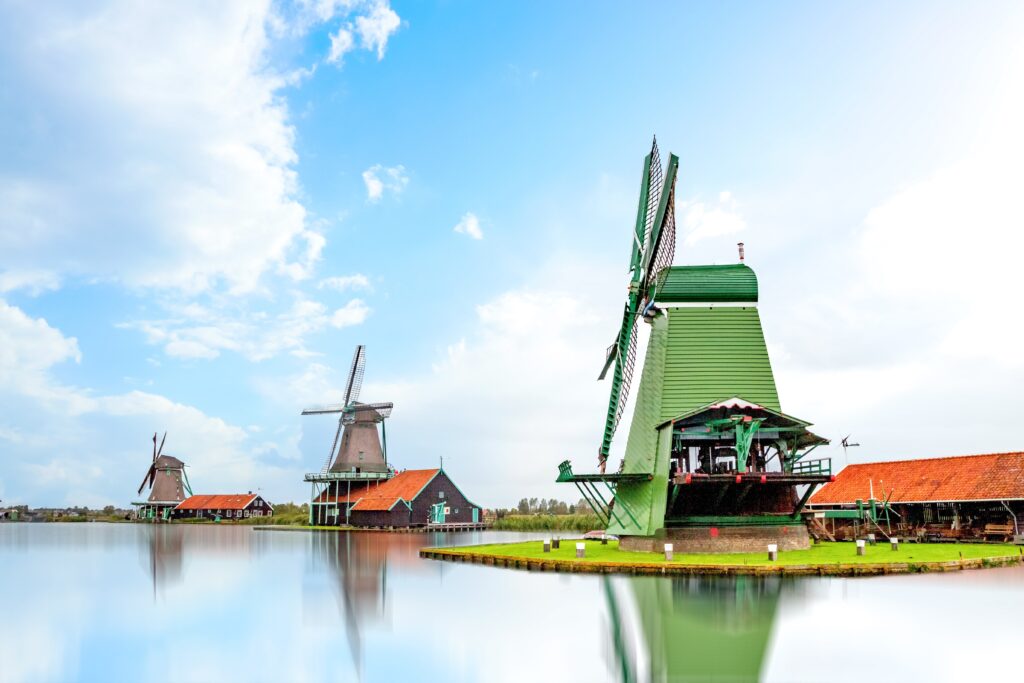
Zaanse Schans
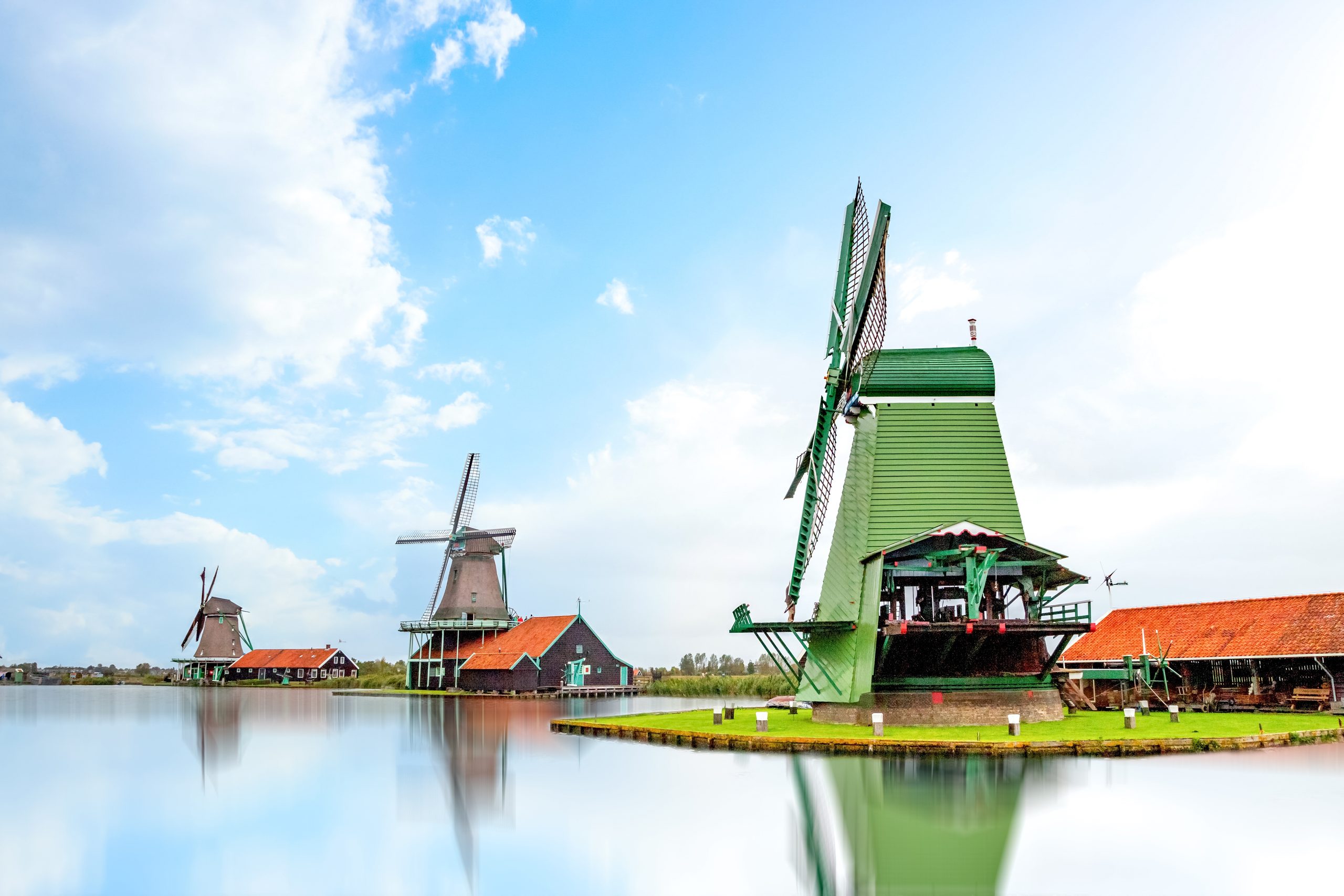
Zaanse Schans combines historic windmills, wooden houses, workshops and museums from the wider Zaan region.
Walking through the heritage village is free, while windmill interiors and museums require admission. Enter at least one working windmill if you want to understand how wind powered timber production, oil pressing or pigment making.
Zaanse Schans is one of the easiest windmill excursions from Amsterdam. Allow three to four hours and visit early or later in the afternoon for a calmer experience.
Best for: windmills, traditional crafts and families
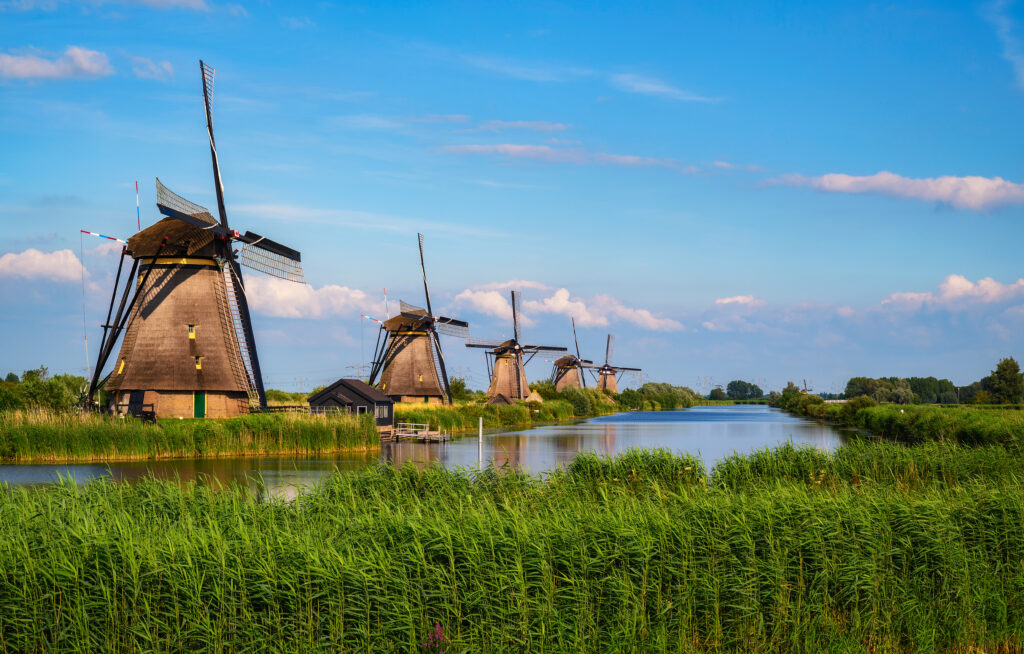
Kinderdijk Windmills
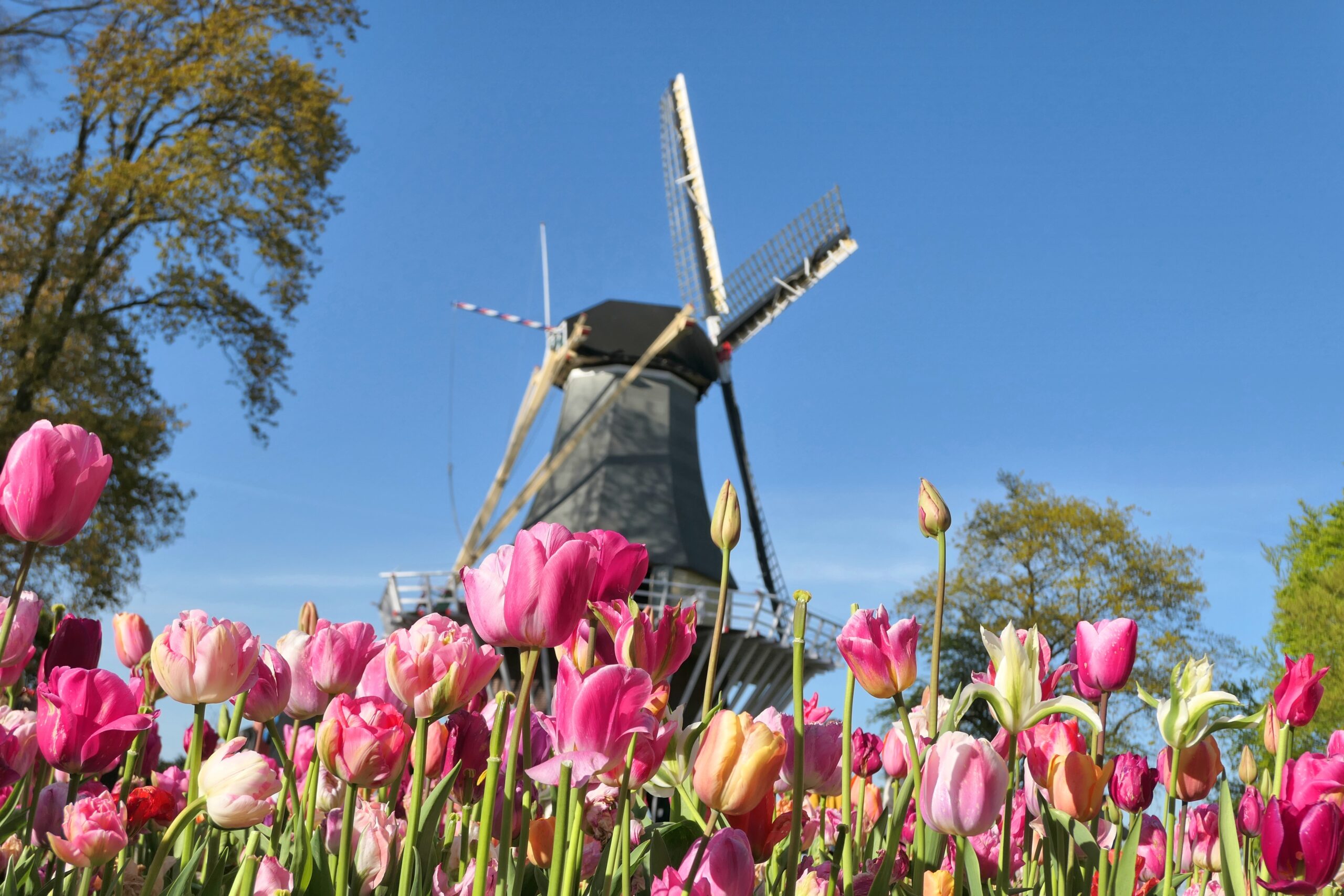
Kinderdijk is a historic windmill landscape created to help manage water in the low-lying Alblasserwaard.
The windmills remain connected to the waterways, dikes and pumping systems they were built to support. This makes Kinderdijk particularly valuable for understanding the Dutch relationship with water.
Allow two to three hours for the landscape, museum mills and visitor facilities. Kinderdijk fits most naturally into a route based around Rotterdam or Dordrecht.
Best for: windmill landscapes, water management and photography
Giethoorn
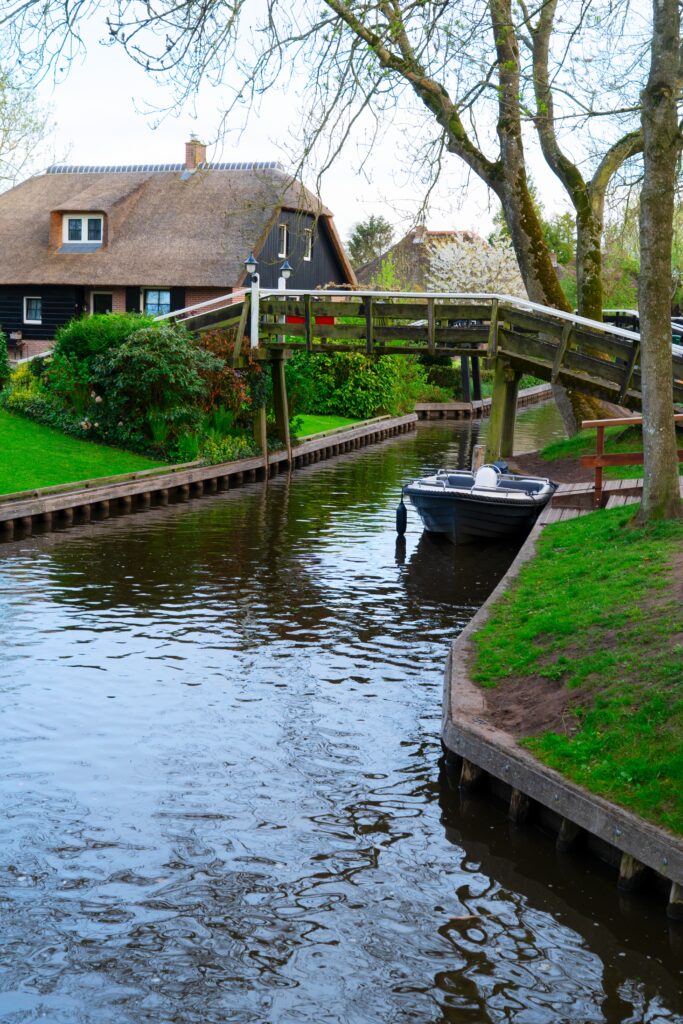
Giethoorn is a water village known for its canals, wooden bridges and thatched farmhouses.
The most complete visit combines a walk through the historic village with one or two hours on the water. Choose a self-drive boat for greater freedom or a guided cruise when you prefer not to steer.
Giethoorn requires more travel and planning than most sights on this page. Allow four to six hours at the destination and treat it as a full-day trip when traveling from Amsterdam.
Best for: boating, water landscapes and slower travel
Kasteel de Haar
Kasteel de Haar combines dramatic castle architecture, richly decorated interiors and extensive landscaped gardens near Utrecht.
Although the site has medieval origins, most of the castle visible today resulted from an ambitious neo-Gothic reconstruction around 1900. The contrast between medieval appearance and modern aristocratic luxury is central to the experience.
Allow three to four hours and reserve the castle interior in advance. The many stairs make the interior unsuitable for visitors with significant mobility limitations.
Best for: castles, historic interiors and gardens
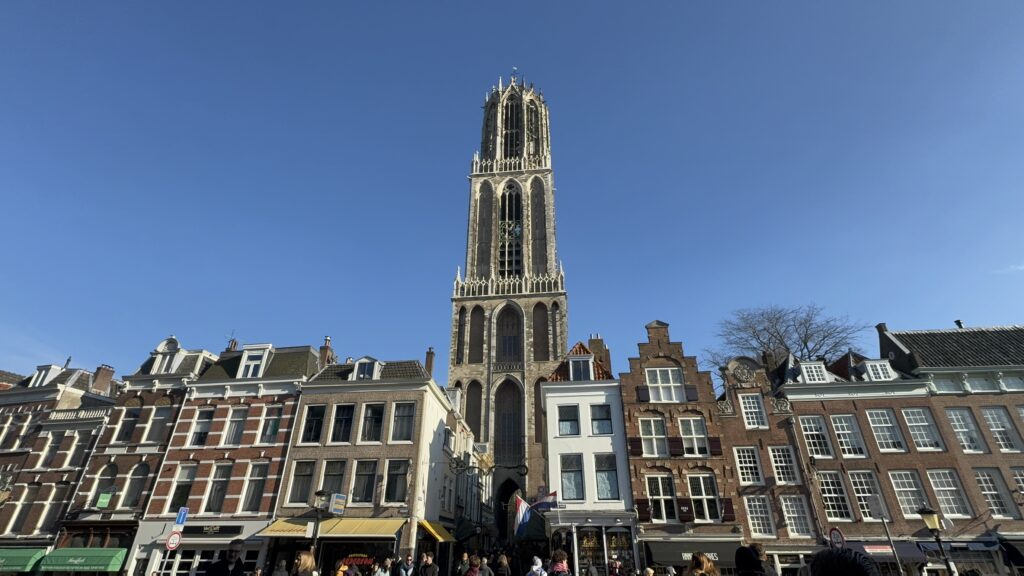
Dom Tower Utrecht
The Dom Tower is Utrecht’s most recognizable landmark and the tallest church tower in the Netherlands.
The standard guided visit involves climbing 465 steps through historic tower rooms before reaching the upper viewing level. The climb is physically demanding but is divided by several explanatory stops.
Allow approximately one hour for the tour and additional time for Dom Square, Dom Church and the nearby Oudegracht.
Best for: medieval history, city views and active sightseeing
Mauritshuis
The Mauritshuis is a compact museum in The Hague with an internationally important collection of Dutch and Flemish painting.
Highlights include Girl with a Pearl Earring and View of Delft by Vermeer, The Goldfinch by Carel Fabritius and major works by Rembrandt.
Allow 90 minutes to two hours. Its central location makes the museum easy to combine with the Hofvijver, the historic government district and a wider walk through The Hague.
Best for: Vermeer, Rembrandt and focused museum visits
Explore the Mauritshuis (coming soon)
Rotterdam Skyline
Rotterdam’s skyline brings modern architecture, river traffic, bridges and redeveloped port districts together along the Nieuwe Maas.
The strongest route begins on the northern riverbank, crosses Erasmus Bridge and continues around Kop van Zuid and Wilhelminapier.
Allow two to three hours and visit in the late afternoon if you want to see the buildings in daylight and remain until the city lights appear. The skyline walk is free, while the Euromast offers an optional elevated viewpoint.
Best for: modern architecture, waterfronts and photography
Which Windmill Destination Should You Choose?
Zaanse Schans and Kinderdijk provide very different experiences.
Choose Zaanse Schans when you are staying in Amsterdam and want working industrial windmills, wooden houses, museums and traditional craft demonstrations within one compact area.
Choose Kinderdijk when you want an open landscape, water-management history and a natural combination with Rotterdam or Dordrecht.
Zaanse Schans offers more variety and indoor activities. Kinderdijk provides the stronger landscape and engineering story.
Most short first-time itineraries do not need both unless windmills and Dutch industrial history are major interests.
Which Sights Fit Together?
The best sight combinations are based on location rather than fame.
From Amsterdam
Combine:
- Amsterdam Canals;
- Zaanse Schans;
- the city’s museums and neighborhoods.
Giethoorn is possible from Amsterdam, but it requires a full day and considerably more travel.
From Rotterdam
Combine:
- Rotterdam Skyline;
- Kinderdijk;
- Delft or Dordrecht.
This creates a strong contrast between modern architecture, water management and historic cities.
From Utrecht
Combine:
- Dom Tower;
- the Oudegracht;
- Kasteel de Haar.
Give Kasteel de Haar at least half a day rather than adding it to an already full central-city itinerary.
From The Hague
Combine:
- Mauritshuis;
- Hofvijver and the historic center;
- Scheveningen or another major museum.
The Mauritshuis and central political district fit easily within the same half-day.
How Many Must-See Sights Should You Include?
For a short trip of three or four days, choose two or three major sights that fit naturally around your main city.
For a week, combine several city sights with one or two landscape-based experiences such as Kinderdijk, Giethoorn or Zaanse Schans.
Do not use an entire trip to move between isolated highlights. The Netherlands is compact, but every journey still requires time for stations, transfers, walking and checking into accommodation.
A realistic route might include:
- Amsterdam Canals and Zaanse Schans from Amsterdam;
- Rotterdam Skyline and Kinderdijk from Rotterdam;
- Dom Tower and Kasteel de Haar from Utrecht;
- Mauritshuis during a stay in The Hague.
This gives every sight enough time and reduces unnecessary cross-country travel.
Not Sure Where to Start?
Start with Destinations if you want to choose a city or region before selecting individual sights.
Continue to Plan Your Trip when you already know what you want to see and need help arranging the sights into a realistic route.
Use Plan With Me when you have several places in mind but are unsure which combinations work within your time, budget and preferred pace.
Explore Destinations
Plan Your Trip
Plan With Me
Frequently Asked Questions
What Should You Not Miss in the Netherlands?
For a varied first trip, combine one historic canal experience, one major museum or historic building and one landscape shaped by wind or water. The best choices depend on the cities already in your route.
Which Sight Is Best for a First Visit?
The Amsterdam canals provide the most accessible introduction for visitors staying in the capital. Kinderdijk, Zaanse Schans, the Dom Tower and the Mauritshuis are stronger choices when another city forms your base.
Where Can You See Windmills?
Visit Zaanse Schans for industrial windmills and craft demonstrations. Choose Kinderdijk for an open windmill landscape and water-management history.
Is Giethoorn Worth Visiting from Amsterdam?
Yes when boating and water villages are major priorities and you can dedicate a full day. Choose a closer day trip when travel time or a relaxed schedule matters more.
Which Castle Should You Visit?
Kasteel de Haar is one of the strongest choices for dramatic architecture, decorated interiors and gardens. Reserve the interior in advance and allow at least half a day from Utrecht.
Which Sight Is Best for Art?
The Mauritshuis is best for a focused visit centered on Vermeer, Rembrandt and seventeenth-century painting. Amsterdam offers a broader choice of larger art museums.
Which Sights Are Free to Explore?
The Amsterdam canal district, the outdoor area of Zaanse Schans, parts of the Kinderdijk landscape and the Rotterdam skyline can be explored without general admission. Museums and interior attractions require tickets.
Should You Book Must-See Sights in Advance?
Reserve timed attractions such as the Dom Tower, Kasteel de Haar and popular museums in advance. Outdoor landscapes generally offer more flexibility, although boat rentals and seasonal transport may still require planning.