Zaanse Schans: What to See and How to Visit
Zaanse Schans is worth visiting if you want to see historic windmills, traditional wooden houses and Dutch crafts within easy reach of Amsterdam. Walking through the heritage village is free, but entering the windmills and several museums requires a ticket. Allow three to four hours for a first visit, or half a day if you want to enter several windmills and visit the Zaans Museum. Arrive early or later in the afternoon to experience the area outside the busiest tour-group period.
Why Visit Zaanse Schans?
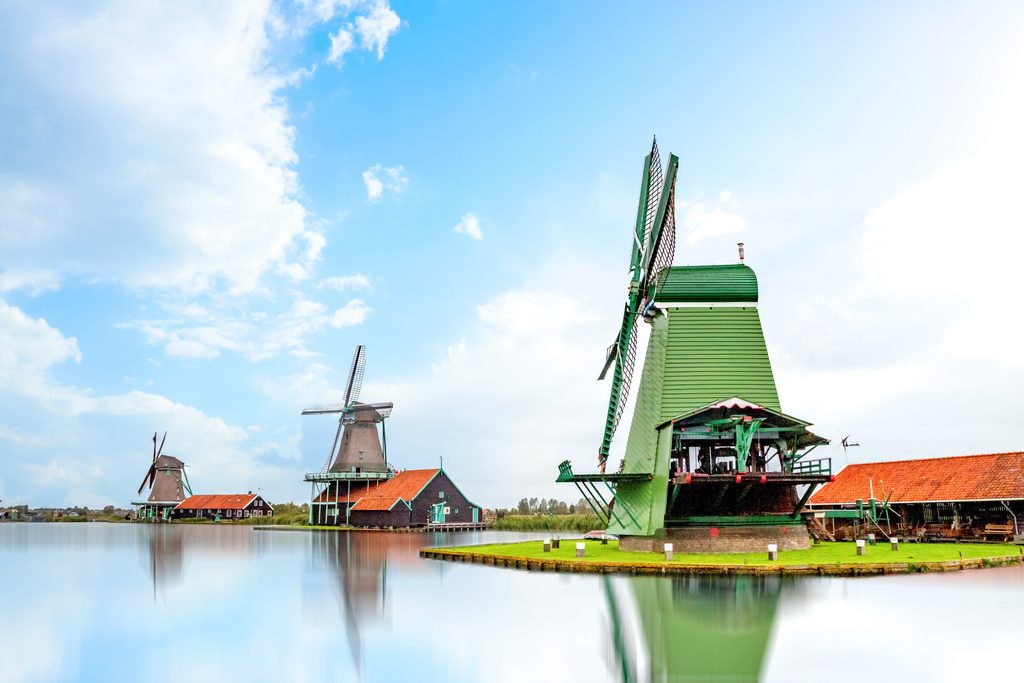
Zaanse Schans brings historic windmills, wooden houses, workshops and museums from the wider Zaan region together in one riverside heritage village.
The area is picturesque, but its real importance lies in industrial history. At its peak, the Zaan region had hundreds of active windmills. These wind-powered factories sawed timber, pressed oil, processed spices and produced pigments and other materials. The region developed into an important center of shipbuilding and early industry.
The site seen today is a conservation project rather than an untouched village. The plan originated after the Second World War, when traditional Zaanse wooden buildings were disappearing. Historic houses and other structures were moved to the site, with the first mill arriving in 1955 and the development expanding during the 1960s. Zaanse Schans officially opened in 1972.
Some buildings now contain museums, shops or workshops, while others remain private homes. This means the area is both a visitor destination and a living community.
Zaanse Schans is particularly suitable for first-time visitors staying in Amsterdam, families and travelers interested in windmills or traditional crafts. It may be less suitable if you expect a quiet, untouched rural village. The site is popular, commercially active and regularly receives large tour groups.
What Can You See and Do?
The windmills are the main reason to visit. Several represent different industrial processes, and their opening days vary. Walking past them provides the familiar landscape, but entering one explains how wind power operated machinery and supported large-scale production.
For most first-time visitors, entering one or two windmills is enough. Paint mill De Kat demonstrates pigment production, while sawmill Het Jonge Schaap shows how wind power was used to process timber. Choose according to your interests and the mills open on the day.
The Zaans Museum provides the broader historical context. Exhibitions explain the development of the Zaan region and its industries, while the Verkade Experience focuses on the history of the well-known food manufacturer. The museum is most useful when you want to understand the region rather than only photograph the windmills.
Traditional craft locations, including the clog workshop and cheese farm, offer short demonstrations and shopping. These experiences are accessible and family-friendly, although retail is clearly part of the visit.
The green wooden houses and warehouses are also central to the setting. Remember that not every building is open. Some remain private residences and should be treated accordingly.
How Much Time Do You Need?
Allow three to four hours for a first visit. This gives you enough time to walk through the village, enter one or two windmills and visit a craft workshop without rushing.
A visit of around two hours works when you mainly want to see the outdoor setting and enter one attraction. Reserve half a day if you also want to explore the Zaans Museum, visit several interiors or stop for lunch.
Zaanse Schans itself does not require a full day for most visitors. A full day becomes appropriate only when you combine the heritage village with another part of the Zaan region.
Is Zaanse Schans Free?
The public heritage area is free to enter. You can walk through the village, see the windmills from outside and enjoy the river landscape without buying a general admission ticket.
Windmill interiors, museums and several historic buildings require separate admission. The official combined ticket includes the Zaans Museum, Verkade Experience, Windmill Museum, selected heritage locations and two windmills that are open on the day. The village and other locations remain freely accessible.
At the time of verification in October 2026, most participating attractions generally operated between approximately 09:00 and 17:00, but individual locations did not all open daily. Always check the schedule for your exact date.
Is the Combined Ticket Worth It?
The combined ticket is most likely worthwhile if you intend to enter two windmills, visit the Zaans Museum and explore several smaller heritage locations.
Individual admission is usually more suitable when you only want to enter one windmill or have limited time. A free outdoor visit can also be satisfying when your priorities are walking and photography, although you will miss much of the industrial explanation.
Decide what you genuinely expect to visit before buying. Do not purchase the combined ticket simply because it appears to be the default option.
Best Time to Visit
Early morning is best for quieter paths and photography. The main disadvantage is that windmills, museums and workshops may not yet be open.
A useful strategy is to arrive shortly before the attractions open, explore the outdoor area first and visit the interiors afterward.
Late morning and early afternoon are usually busiest because individual visitors and organized tours overlap. The entrance area, craft workshops and paths nearest the Zaans Museum can feel especially crowded.
Late afternoon can be calmer, but check closing times before relying on this approach. Smaller museums and individual windmills may close earlier or operate limited schedules.
Spring through early autumn offers the broadest combination of outdoor walking and open attractions. Winter can be quieter, but the exposed riverside location may feel cold and fewer locations may operate on a particular day.
How to Get There from Amsterdam
You can reach Zaanse Schans independently by train or bus.
By Train
Travel from Amsterdam Centraal to Zaandijk Zaanse Schans station. The rail journey normally takes approximately 17 minutes, followed by a walk of about 15 minutes to the heritage village. The walking approach crosses the River Zaan and brings you into the area near the windmills.
The train is a good option if you prefer a quick and predictable rail connection and do not mind the walk.
By Bus
A direct bus can take you from Amsterdam Centraal to a stop close to the Zaans Museum. Official visitor information published for 2026 identifies bus 800 as the direct express service, with a journey of approximately 24 minutes under the normal schedule. Routes and line numbers can change, so verify the journey before departure.
The bus may be more convenient for families or visitors who want to minimize walking. The train is less affected by road traffic.
A car is unnecessary for a straightforward visit from Amsterdam. Use the official car park if Zaanse Schans forms part of a wider driving route through North Holland.
Accessibility and Visiting with Children
Accessibility varies because the site combines modern visitor facilities with historic buildings, bridges and windmills.
The Zaans Museum is wheelchair accessible and includes a lift and accessible toilet. The outdoor area has relatively accessible routes, but surfaces and bridges vary. Most historic windmills have steep stairs and restricted interior space. Het Jonge Schaap is identified as a more accessible windmill, although visitors with specific requirements should confirm current arrangements before traveling.
Families can combine short windmill visits with the clog workshop, cheese farm and interactive museum experiences. Young children require close supervision near water, machinery and steep stairs.
For families, two to three hours may be sufficient. Choose a few experiences rather than trying to enter every available attraction.
Zaanse Schans or Kinderdijk?
Choose Zaanse Schans when you want easy access from Amsterdam, several types of windmills, historic wooden buildings and traditional craft demonstrations within one compact area.
Choose Kinderdijk when you prefer an open windmill landscape, Dutch water-management history and a natural combination with Rotterdam or Dordrecht.
Zaanse Schans provides more variety and indoor activities. Kinderdijk offers the stronger landscape and water-management story.
You do not need to include both on a short first trip unless windmills and Dutch industrial heritage are major interests.
Practical Tips
- Check the daily opening schedule before deciding which ticket to buy. Not every windmill or heritage location opens every day.
- Arrive shortly before opening time if you want calm outdoor views and access to the interiors afterward.
- Enter at least one working windmill. The exterior landscape is attractive, but the machinery explains why the region was historically important.
- Wear comfortable shoes and bring a windproof or waterproof layer. The route beside the River Zaan is exposed.
- Move beyond the first workshops and entrance area before judging the crowd level. The concentration of visitors changes across the site.
- Respect private houses and gardens. Zaanse Schans remains a living heritage community.
Final Verdict
Zaanse Schans is one of the easiest and most varied windmill excursions from Amsterdam. Its combination of working mills, wooden architecture, crafts and museums makes it especially suitable for first-time visitors and families.
Allow three to four hours, arrive outside the busiest part of the day and enter at least one windmill. Buy the combined ticket only when you realistically plan to visit several included attractions.
Choose Kinderdijk instead when an expansive landscape and water-management history matter more than convenience and variety.
Frequently Asked Questions
Is Zaanse Schans Worth Visiting?
Yes. It is particularly worthwhile for first-time visitors who want to see working windmills, traditional architecture and crafts near Amsterdam.
Is Zaanse Schans Free?
The public heritage village is free to enter. Windmill interiors, museums and selected historic locations require paid admission.
How Long Do You Need?
Allow three to four hours for a balanced first visit. Two hours is sufficient for a short outdoor visit with one paid attraction.
Should You Buy the Combined Ticket?
Buy it when you plan to visit the Zaans Museum, two windmills and several smaller heritage locations. Choose individual tickets for a shorter or more selective visit.
Which Windmill Should You Visit?
De Kat is a strong choice for traditional pigment production. Het Jonge Schaap demonstrates wind-powered timber sawing. Confirm which mills are open on your visit date.
What Is the Best Time to Visit?
Arrive early for quieter outdoor views or later in the afternoon for fewer groups. Check attraction closing times before planning a late visit.
How Do You Get There from Amsterdam?
Take the train to Zaandijk Zaanse Schans station and walk approximately 15 minutes, or use a direct bus from Amsterdam Centraal when the service operates.
Is Zaanse Schans Wheelchair Accessible?
Parts of the outdoor site and the Zaans Museum are accessible. Most historic windmills are not fully accessible because of steep stairs and confined interiors.