Nature and National Parks in the Netherlands
The Netherlands offers forests, heathland, dunes, wetlands, islands and river landscapes within relatively short distances of its cities. Choose the Veluwe for the broadest combination of walking, cycling and woodland, Weerribben-Wieden for wetlands and boating, the Wadden Islands for beaches and tidal nature, or Zuid-Kennemerland for dunes near Amsterdam and Haarlem. Most visitors need only one major nature region. Select it according to your route, preferred activity and whether you are traveling by car, bicycle or public transport.
Why Explore Nature in the Netherlands?
The Netherlands is often associated with cities, canals and farmland, but the country contains a wide range of natural and semi-natural landscapes.
Many of these landscapes developed through the continuing interaction between people, land and water. Heathlands were influenced by historic agriculture, wetlands were shaped by peat extraction, and dunes provide both wildlife habitat and protection from the sea.
Dutch nature includes:
- forests and woodland;
- heathland and sand drifts;
- coastal dunes;
- river dunes;
- wetlands and reed beds;
- tidal mudflats;
- islands and beaches;
- river floodplains;
- peat landscapes;
- lakes and reclaimed land.
National parks protect some of the most characteristic examples, but not every worthwhile nature area carries the national park title.
The right destination depends on the activity and landscape you want. A park suited to canoeing may not provide the strongest long-distance walk, while a forest region may require more regional transport than coastal dunes near a railway station.
Which Nature Destination Suits Your Trip?
Choose the Veluwe for forests, heathland, wildlife, cycling and the broadest nature-focused regional stay.
- Choose De Hoge Veluwe National Park when you want an organized combination of nature, cycling and the Kröller-Müller Museum.
- Choose Veluwezoom National Park for hillier walking routes, heathland views and free access near Arnhem.
- Choose Weerribben-Wieden National Park for wetlands, reed beds, canoeing and quiet electric boating.
- Choose the Wadden Islands for beaches, dunes, birdlife, cycling and tidal nature.
- Choose Zuid-Kennemerland National Park for dunes that can be combined with Amsterdam or Haarlem.
- Choose De Biesbosch National Park for rivers, freshwater tidal nature, boating and birdlife near Dordrecht.
- Choose Schiermonnikoog National Park for a quiet, largely car-free island experience.
- Choose De Maasduinen National Park for forests, heathland, lakes and river dunes in North Limburg.
- Choose Lauwersmeer National Park for birdwatching, open water, dark skies and a northern regional stay.
Compare the Main Nature Experiences
| Destination | Best for | Suggested stay | Practical base |
|---|---|---|---|
| The Veluwe | Forests, heathland, cycling and wildlife | 2–4 days | Arnhem, Apeldoorn, Ede or Otterlo |
| De Hoge Veluwe | Nature, art and easy park cycling | Full day | Otterlo, Hoenderloo or Arnhem |
| Veluwezoom | Walking, heathland and elevated views | Half or full day | Arnhem, Rheden or Velp |
| Weerribben-Wieden | Wetlands, canoeing and boating | 1–3 days | Giethoorn, Steenwijk or a regional village |
| Wadden Islands | Beaches, dunes and tidal nature | 2–5 days | One selected island |
| Zuid-Kennemerland | Dunes and nature near major cities | Half or full day | Haarlem or Zandvoort |
| De Biesbosch | Rivers, boating and birdlife | Half or full day | Dordrecht |
| De Maasduinen | River dunes, forests and quiet walking | 1–2 days | Venlo, Arcen or a regional village |
| Lauwersmeer | Birdwatching and dark skies | 1–3 days | Groningen, Dokkum or a local base |
The suggested times include the landscape experience but not always the complete journey from your accommodation.
The Veluwe
The Veluwe is one of the largest and most varied nature regions in the Netherlands.
Its landscapes include forests, heathland, sand drifts, estates and agricultural areas. The wider region contains several protected landscapes rather than one park with a single entrance.
Important nature areas include:
- De Hoge Veluwe National Park;
- Veluwezoom National Park;
- Planken Wambuis;
- Deelerwoud;
- Speulderbos;
- Kootwijkerzand;
- Loenermark.
The Veluwe works best as a two- to four-day regional stay. Visitors with one day should select a single park or landscape.
Arnhem is a useful base for Veluwezoom and the southern Veluwe. Apeldoorn suits the northern Veluwe and Paleis Het Loo, while Otterlo provides convenient access to De Hoge Veluwe.
A car adds flexibility, but a car-free visit is possible when you choose one well-connected base and use a bicycle for the final part of the journey.
Best for: forests, heathland, cycling, wildlife and a multi-day nature stay
Explore the Veluwe
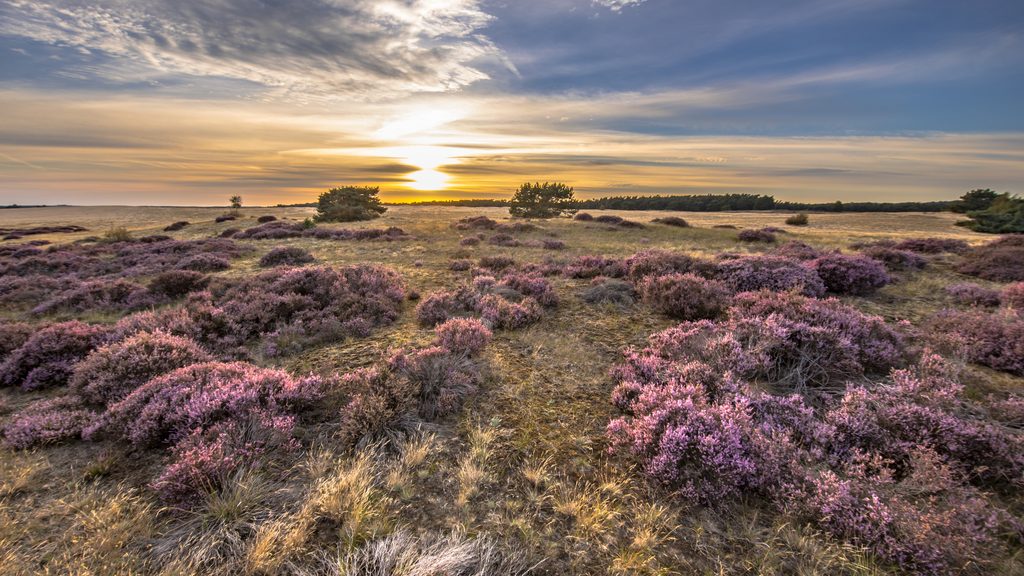
De Hoge Veluwe National Park
De Hoge Veluwe National Park is an enclosed park within the wider Veluwe region.
The park combines forests, heathland, sand drifts, walking routes, wildlife and cultural attractions. Entrances are located at Otterlo, Hoenderloo and Schaarsbergen.
Admission is required. Visitors can walk, bring a bicycle or use the free White Bicycles available inside the park.
The Kröller-Müller Museum, Museonder and Jachthuis Sint Hubertus add art, geology and architecture to the nature experience.
Allow a full day when combining cycling with the Kröller-Müller Museum. The museum and park require separate admission.
Choose De Hoge Veluwe when you want a structured destination with visitor facilities, cycling and a major art museum.
Best for: a first national park visit, easy cycling and art in nature
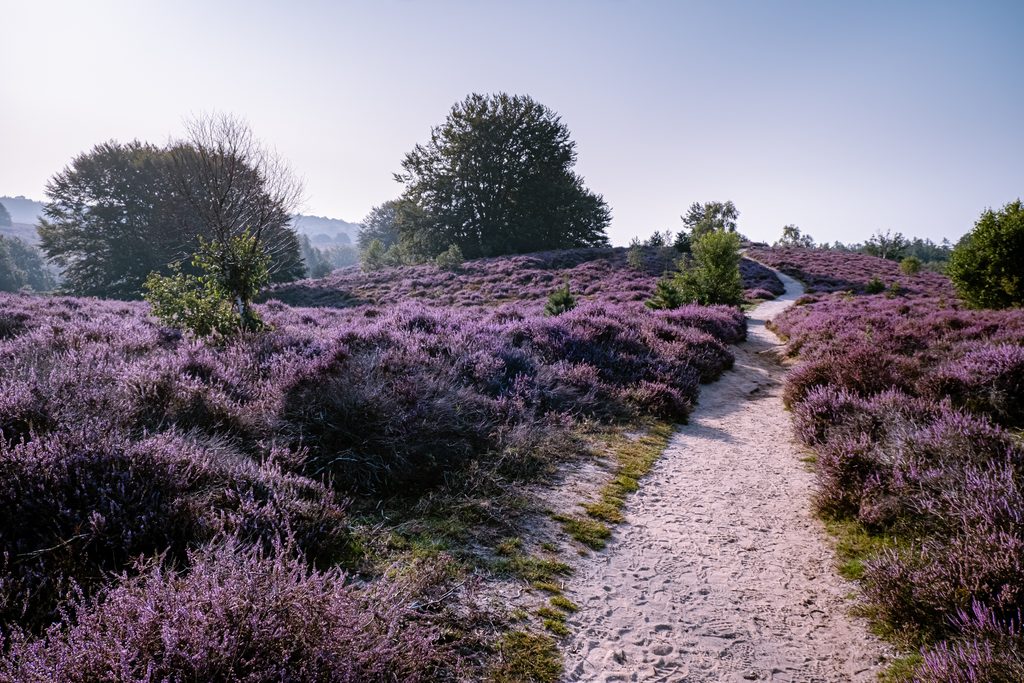
Veluwezoom National Park
Veluwezoom offers forests, heathland, sand drifts, estates and more elevation than many visitors expect in the Netherlands.
The Posbank is the best-known section and provides broad views across the heathland. The landscape is especially popular when the heather flowers in late summer.
Unlike De Hoge Veluwe, Veluwezoom is not an enclosed paid attraction. Visitors enter through public paths and access points.
Rheden and Velp provide useful railway access, while Arnhem works well as a larger city base.
Choose Veluwezoom for walking, hillier cycling and a less structured nature experience without general park admission.
Best for: walking, heathland views and free public access
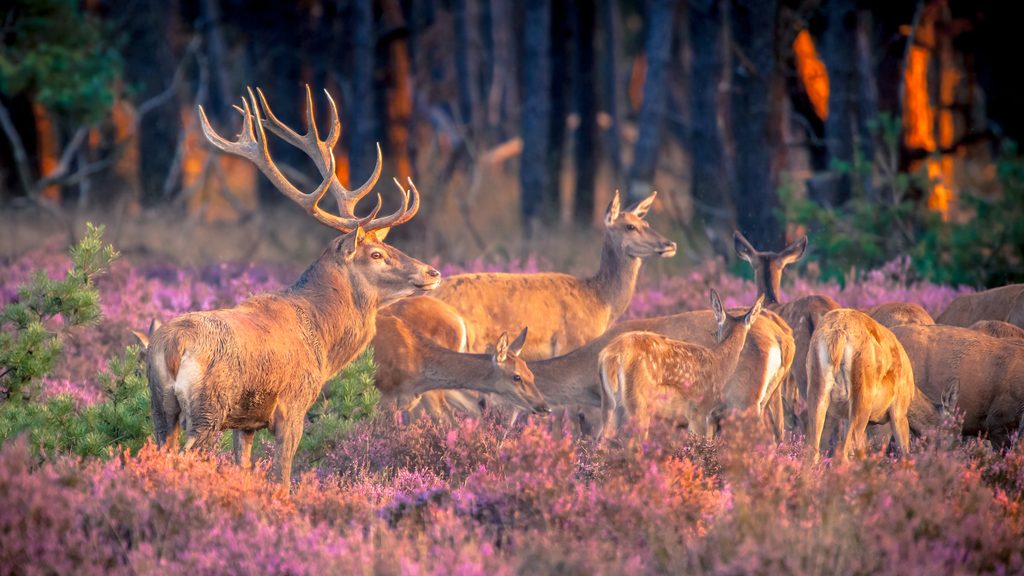
Weerribben-Wieden National Park
Weerribben-Wieden is a large low-peat wetland landscape in Overijssel.
Its lakes, canals, reed beds, peatland, meadows and swamp forests developed through both natural processes and centuries of human activity, including peat extraction and reed cutting.
Water is the best way to understand the landscape. Visitors can explore by:
- canoe;
- kayak;
- electric boat;
- guided excursion;
- bicycle;
- walking route.
Giethoorn lies within the wider area and provides boat rental and visitor facilities. Other villages and access points lead to quieter landscapes with fewer tour boats.
Choose Weerribben-Wieden when wetlands, birdlife and boating matter more than forests or long-distance hiking.
Stay regionally when you want to explore beyond Giethoorn. A day trip from Amsterdam is possible but leaves less time for quieter parts of the national park.
Best for: wetlands, canoeing, electric boating and nature photography
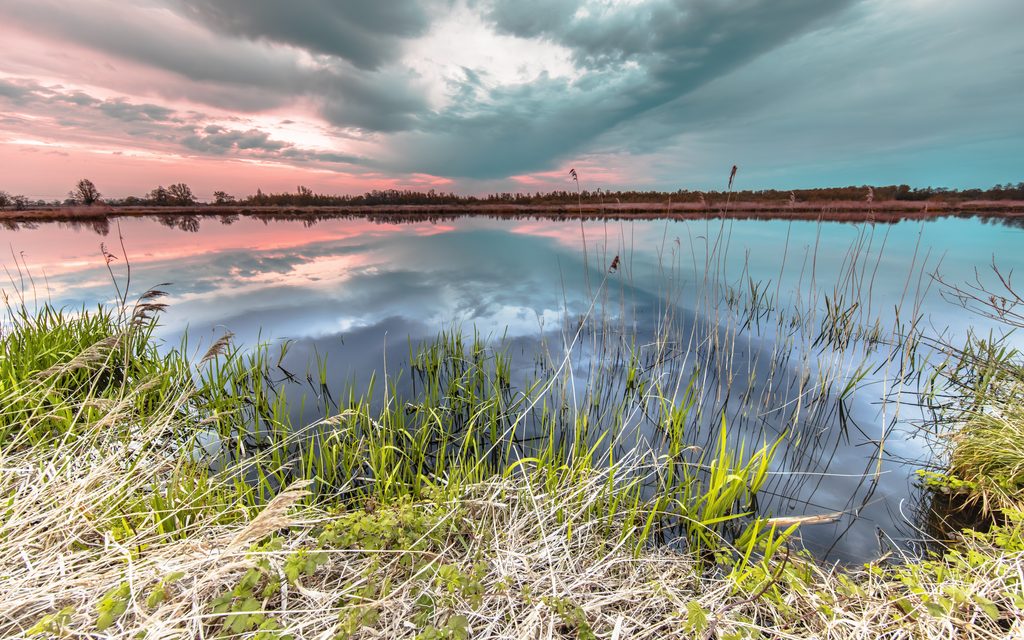
Wadden Islands and Wadden Sea
The Wadden Islands combine North Sea beaches, dunes, salt marshes, cycling and the tidal Wadden Sea.
The Dutch islands are:
- Texel;
- Vlieland;
- Terschelling;
- Ameland;
- Schiermonnikoog.
Choose Texel for the broadest variety and easiest first visit. Choose Vlieland or Schiermonnikoog for quiet, car-light travel. Terschelling combines nature with several villages, while Ameland offers a balanced family-oriented experience.
The tidal Wadden Sea is internationally important for migratory birds, seals and marine life.
Stay at least two nights. Ferry travel and island distances make a rushed day trip less rewarding.
Never attempt a major mudflat walk independently. Tides, deep channels and unstable ground require qualified guidance.
Best for: islands, beaches, cycling, birdlife and tidal nature
Explore the Wadden Islands and Wadden Sea
Zuid-Kennemerland National Park
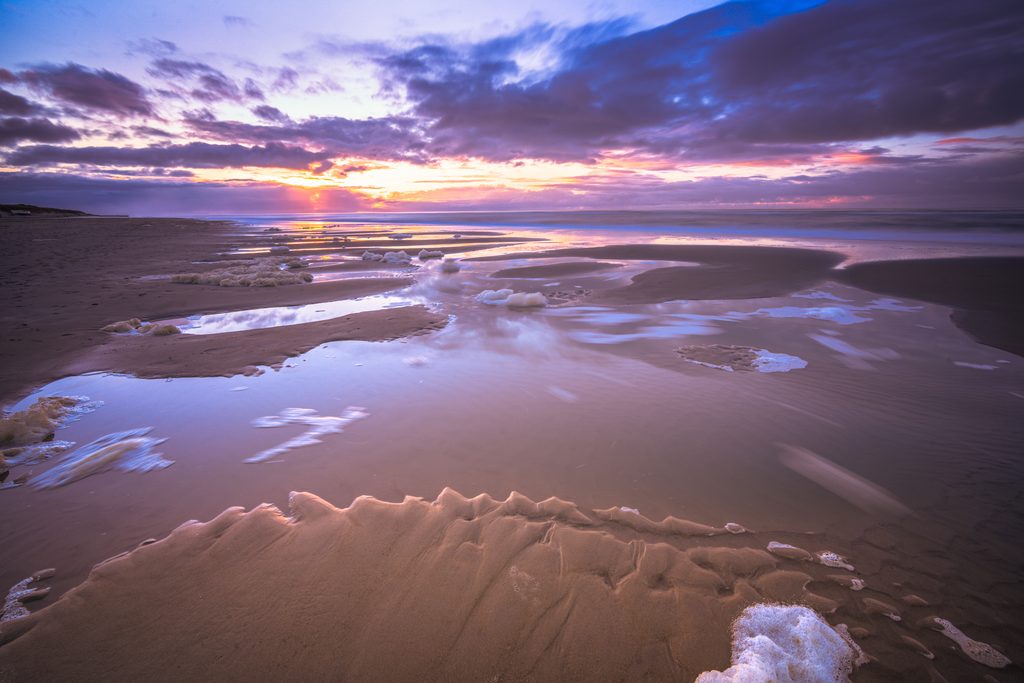
Zuid-Kennemerland National Park protects dunes, forests, grasslands and lakes between Haarlem and the North Sea coast.
Its location makes it one of the most practical nature areas to combine with Amsterdam, Haarlem or Zandvoort.
Visitors can walk or cycle through the dunes and connect nature with the beach. Several access points can be reached by train, bus or bicycle.
The terrain includes paved cycle routes and unpaved walking paths. Conditions can be sandy, exposed and windy.
Large grazing animals may be present in parts of the park. Maintain distance and follow local instructions.
Choose Zuid-Kennemerland when you want a meaningful outdoor experience without dedicating several days to a remote region.
Best for: dunes, cycling and a nature day near Amsterdam or Haarlem
De Biesbosch National Park
De Biesbosch is a freshwater tidal landscape of rivers, creeks, wetlands and islands.
The area was shaped by floods, sediment and human water management. Today, it provides important habitat for birds, fish and mammals.
Visitors can explore by:
- canoe;
- electric boat;
- guided cruise;
- walking route;
- bicycle;
- visitor-center excursion.
Dordrecht is the most practical city base for many international visitors. Access from other sides of the park may require a car or more detailed regional planning.
A boat provides the strongest perspective, but wind, water levels and seasonal conditions can affect departures.
Choose De Biesbosch for water-based nature and river landscapes rather than conventional forest hiking.
Best for: rivers, boating, freshwater tidal nature and birdlife
Schiermonnikoog National Park
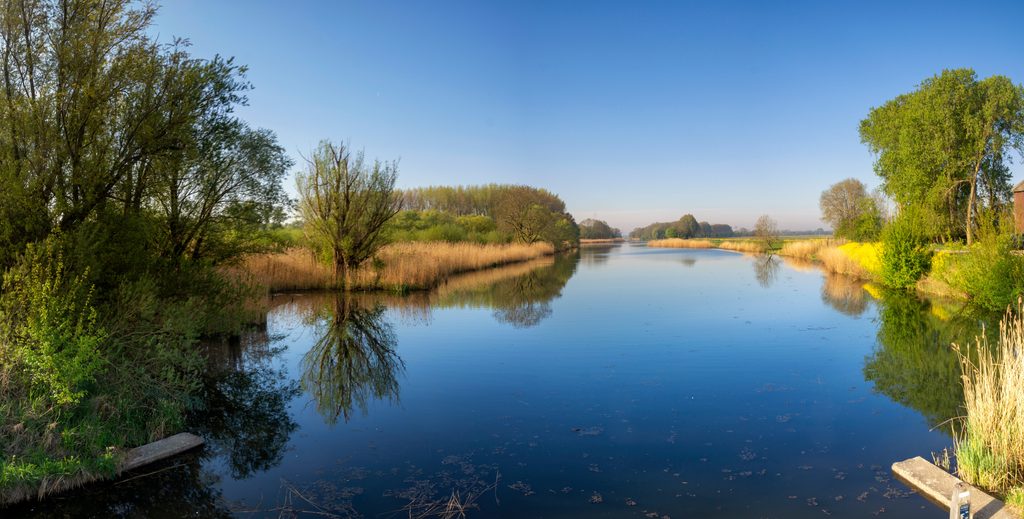
Most of Schiermonnikoog forms part of a national park.
The island contains beaches, dunes, salt marshes, polders and tidal landscapes. Visitor cars are restricted, so cycling, walking and local transport shape the experience.
One principal village provides accommodation, restaurants and bicycle rental.
The island works best for visitors seeking quiet and outdoor time rather than a long list of attractions.
Stay at least two nights. This allows time for changing weather, cycling, beach walks and one guided nature activity.
Choose Schiermonnikoog when a slow, car-light nature stay is more important than transport convenience.
Best for: quiet, walking, cycling and a car-light island experience
De Maasduinen National Park
De Maasduinen lies in North Limburg between the Maas and the German border.
The landscape includes river dunes, forests, heathland, wetlands and lakes. Wind and water helped create the long river-dune belt that gives the area its name.
Walking and cycling are the principal activities. The park suits visitors who value quiet and varied landscapes over major visitor attractions.
The protected area is long and does not have one universal entrance. Choose a specific route, estate or visitor point before traveling.
A car or bicycle adds flexibility. Venlo, Arcen or a smaller regional base can support a wider North Limburg stay.
Choose De Maasduinen when North Limburg is already part of your itinerary. It is too distant for an efficient nature day from Amsterdam.
Best for: quiet walking, cycling, forests and river dunes
Lauwersmeer National Park
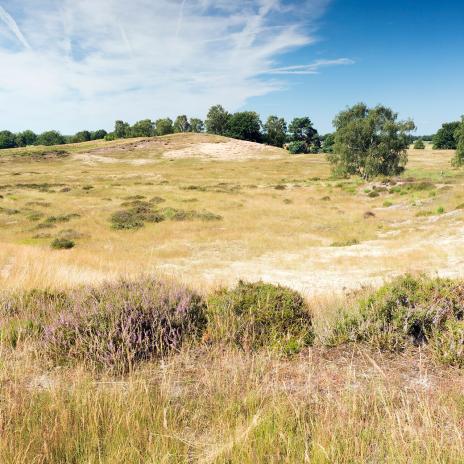
Lauwersmeer developed after the Lauwerszee was closed off from the Wadden Sea.
The resulting lake, wetlands, grasslands and reed beds support significant birdlife. The open landscape also makes the area known for dark skies.
Visitors can explore through birdwatching, cycling, walking, water sports and guided nature activities.
Public transport is limited compared with nature areas near Haarlem or Arnhem. A car or carefully planned regional stay is normally more practical.
Lauwersmeer combines naturally with Groningen, Friesland or a journey toward the Wadden Islands.
Choose it when birdwatching, open landscapes and night skies are central to the trip.
Best for: birds, open water, dark skies and northern landscapes
Forest, Wetland, Dunes or Islands?
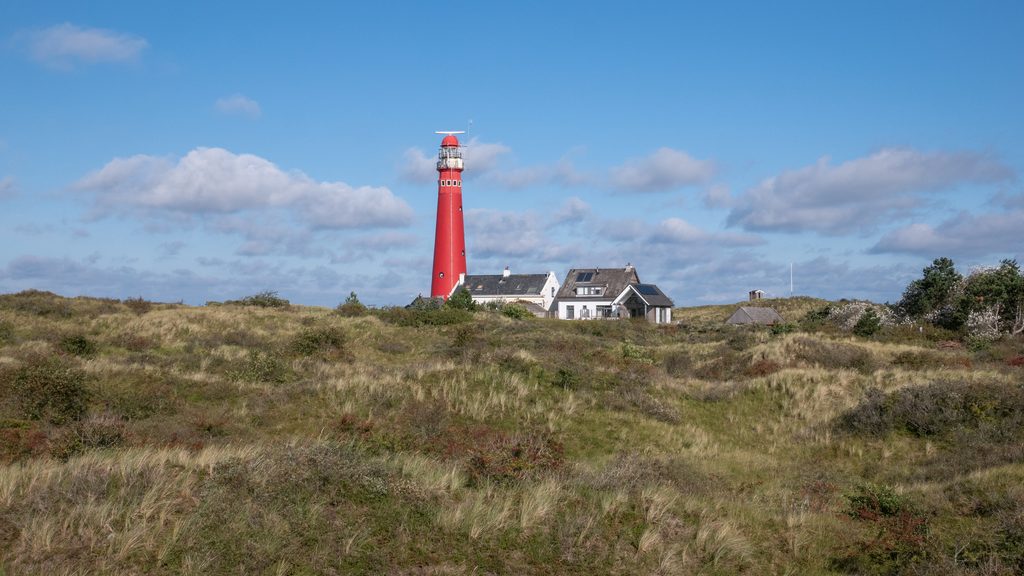
The landscape type should determine your choice.
Choose Forest and Heathland When
- walking and cycling are priorities;
- you want varied routes;
- wildlife interests you;
- a multi-day regional stay is possible;
- museums or estates would provide useful rainy-day alternatives.
The Veluwe and Veluwezoom are the strongest choices.
Choose Wetlands When
- boating or canoeing interests you;
- birdlife matters;
- you prefer water to long forest walks;
- quiet electric boating appeals to you;
- you can stay in a regional base.
Choose Weerribben-Wieden or De Biesbosch.
Choose Dunes When
- you want to combine nature with the beach;
- Amsterdam, Haarlem or The Hague is already on your route;
- cycling is important;
- you have only half or one full day;
- accessibility by public transport matters.
Choose Zuid-Kennemerland or another coastal dune area.
Choose Islands When
- you can stay at least two nights;
- ferry travel is part of the experience;
- beaches and cycling are priorities;
- changing weather does not disrupt your travel style;
- a slower pace appeals to you.
Choose one Wadden Island rather than trying to visit several during a short trip.
De Hoge Veluwe or Veluwezoom?
Both parks lie within the wider Veluwe, but they offer different experiences.
Choose De Hoge Veluwe When
- you want the Kröller-Müller Museum;
- free White Bicycles are useful;
- visitor facilities matter;
- you prefer one organized destination;
- paying park admission is acceptable;
- art and architecture should form part of the day.
Choose Veluwezoom When
- walking is the main activity;
- free public access matters;
- hillier terrain and long views appeal to you;
- Arnhem, Rheden or Velp is your base;
- the Posbank is a priority;
- you prefer a less structured nature day.
Choose De Hoge Veluwe for the most complete first-time attraction. Choose Veluwezoom for walking and a more open public nature experience.
Weerribben-Wieden or De Biesbosch?
Choose Weerribben-Wieden for peat wetlands, reed beds, quiet electric boating and a combination with Giethoorn.
Choose De Biesbosch for river channels, freshwater tides and a natural combination with Dordrecht.
Weerribben-Wieden generally suits a longer regional stay. De Biesbosch can fit more easily into a South Holland itinerary.
Both are strongest from the water. The best option therefore depends on your city base and the type of wetland story that interests you.
How Many Nature Areas Should You Visit?
For a short trip, choose one major nature experience.
For a week, combine one city-based nature day with one regional stay. For example:
- Zuid-Kennemerland from Haarlem;
- two or three nights in the Veluwe;
- a Wadden Island after a northern city stay;
- De Biesbosch from Dordrecht;
- Weerribben-Wieden from a base near Giethoorn or Steenwijk.
Do not choose several parks simply because they carry the national park title. Each should add a different landscape or activity.
A balanced nature itinerary might contain:
- one forest or heathland region;
- one wetland or water landscape;
- one coastal or island experience.
Can You Visit National Parks Without a Car?
Yes, but a car-free visit works best when you choose the park around a suitable station or city base.
Relatively practical options include:
- Veluwezoom from Rheden or Velp;
- Zuid-Kennemerland from Haarlem or Zandvoort;
- De Hoge Veluwe using buses and bicycles from Arnhem or Ede;
- De Biesbosch through Dordrecht and onward local transport;
- Weerribben-Wieden through Steenwijk and regional connections;
- Wadden Islands using train, bus, ferry and bicycle.
A car becomes more useful for:
- remote trailheads;
- rural accommodation;
- De Maasduinen;
- Lauwersmeer;
- combinations involving several nature areas;
- travel with substantial outdoor equipment.
Always enter the exact visitor center, entrance or trailhead in a journey planner. Searching only for the park name may lead to an impractical side of a large protected area.
Walking in Dutch Nature
Dutch walking routes vary from paved park paths to muddy wetland trails and exposed dune routes.
Choose a route according to:
- distance;
- surface;
- elevation;
- weather;
- daylight;
- public transport;
- seasonal closures;
- mobility needs.
Flat does not automatically mean easy. Sand, mud, strong wind and exposed sun can make a short route demanding.
Carry water and download the route before entering a large forest, wetland or dune area.
Stay on permitted paths. Leaving marked routes can damage vegetation and disturb wildlife.
Cycling in National Parks
Cycling is one of the most practical ways to explore Dutch landscapes.
Many parks and regions use numbered cycling-junction networks. Visitors can create routes by connecting numbered points rather than following one fixed itinerary.
Electric bicycles are useful for:
- longer regional routes;
- strong coastal wind;
- the hillier Veluwezoom;
- mixed-ability groups;
- travel between a station and a park.
Not every walking path is open to bicycles. Follow signs and do not enter restricted wildlife or pedestrian zones.
Reserve rental bicycles during summer, school holidays and busy island periods.
Wildlife Watching
Dutch nature areas support deer, wild boar, seals, otters, beavers and many bird species.
Sightings are never guaranteed.
Improve your chances by:
- visiting early or later in the day;
- moving quietly;
- carrying binoculars;
- joining a guided excursion;
- choosing a suitable season;
- spending more time in one area;
- remaining on marked routes.
Never approach, feed or surround wildlife.
Wild boar and large grazing animals require particular caution. Maintain distance and never position yourself between an adult animal and its young.
Seal pups resting on a beach are not automatically abandoned. Keep away and contact the local wildlife service when an animal appears injured or endangered.
Best Time to Explore Nature
Spring
Spring is strong for fresh vegetation, birdlife and longer walking days.
Breeding-season restrictions may close sensitive areas. Follow signs and keep dogs under control.
Summer
Summer offers long daylight, ferry services and the broadest range of outdoor activities.
Popular parks, islands and beaches become busy. Start early and reserve accommodation, bicycle rental or boat activities.
Open heathland and dunes can become hot and offer little shade.
Late Summer and Early Autumn
Late summer is associated with flowering heathland, while autumn brings forest color and bird migration.
Popular heathland areas such as the Posbank become particularly busy during peak flowering periods.
Winter
Winter offers quieter forests, beaches and wetlands.
Short daylight, mud, wind and reduced seasonal services limit some activities. Choose routes near reliable transport and visitor facilities.
Accessibility and Visiting with Children
Accessibility differs greatly between parks and individual routes.
Major visitor centers often provide:
- accessible parking;
- paved routes;
- adapted toilets;
- route information;
- mobility aids;
- family activities;
- shorter trail options.
Natural landscapes still create barriers. Sand, mud, slopes, gates, narrow paths and ferry access can affect wheelchair users and visitors with strollers.
Check a specific route rather than relying on the general accessibility of the park.
Families usually benefit from combining one short outdoor activity with a visitor center, museum, boat trip or playground.
The White Bicycles in De Hoge Veluwe are not suitable for every visitor. Confirm adapted-bike and child-seat options before arrival.
Advantages and Disadvantages of a Nature-Focused Trip
Advantages
- Adds contrast to museum and city itineraries
- Offers walking, cycling and boating
- Includes forests, dunes, wetlands and islands
- Suitable for both short excursions and longer stays
- Provides wildlife and photography opportunities
- Encourages slower travel
- Connects naturally with regional accommodation
Disadvantages
- Weather strongly affects the experience
- Rural public transport can be limited
- Wildlife sightings are never guaranteed
- Seasonal closures may restrict routes
- Popular areas become crowded at peak times
- Sand, mud and wind can make routes demanding
- Some parks require admission or ferry tickets
- Accessibility differs considerably by route
Practical Tips
- Choose the landscape before choosing the park.
- Use Veluwezoom or Zuid-Kennemerland for a straightforward car-free nature day.
- Stay regionally for the Veluwe, Wadden Islands and Weerribben-Wieden.
- Plan one principal activity per day, such as walking, cycling or boating.
- Check route closures, ferry conditions and weather shortly before departure.
- Reserve bicycles and boats during busy periods.
- Carry water, layers and waterproof clothing.
- Keep one indoor alternative for severe weather.
- Treat wildlife sightings as a possibility, not a promised attraction.
Final Verdict
Nature and National Parks is one of the best travel interests for visitors who want a break from Dutch cities without leaving culture and transport completely behind.
Choose the Veluwe for the broadest first nature stay, Weerribben-Wieden for wetlands and boating, the Wadden Islands for beaches and tidal nature, or Zuid-Kennemerland for a convenient day in the dunes.
One carefully selected park is enough for a short itinerary. Longer trips benefit from combining contrasting landscapes, such as forest and coast, rather than visiting several similar parks.
The best nature destination is not necessarily the most famous. It is the place that fits your city base, transport, preferred activity and tolerance for weather-dependent plans.
Frequently Asked Questions
Are Dutch National Parks Always Free?
No. Many national parks and public nature areas have free access, but De Hoge Veluwe charges admission. Parking, museums, ferries, boat rentals and guided activities may also require payment.
Can Dogs Enter National Parks?
Rules differ by park and zone. Dogs may need to remain on a leash, be prohibited during breeding seasons or be excluded from areas with wildlife and grazing animals.
Can You Fly a Drone in a National Park?
Drone use is often restricted by aviation rules, landowner policies and wildlife-protection regulations. Never assume that an open landscape permits drone flights.
Are Ticks a Risk in Dutch Nature?
Yes. Ticks occur in forests, dunes, heathland and grass. Wear suitable clothing, stay on paths where practical and check skin and clothing after outdoor activities.
Can You Camp Inside a National Park?
Wild camping is generally not permitted. Use an official campsite, nature campsite or other authorized accommodation and follow the property’s access hours.
Are Park Trails Open After Sunset?
Access rules vary. Some forests, dunes and wildlife areas close between sunset and sunrise, while other routes remain public. Follow entrance signs rather than assuming night access is allowed.
Do You Need Hiking Boots?
Not for every route, but sturdy footwear is useful on muddy, sandy, wet or uneven paths. Ordinary trainers may be sufficient for short paved routes in dry weather.
Can You Pick Flowers, Mushrooms or Berries?
Collection rules depend on the landowner and protected status. Removing plants or fungi may be prohibited, and foraging can damage habitats. Leave natural objects in place unless permission is explicit.