Kinderdijk Windmills: Complete Visitor Guide
Kinderdijk is worth visiting if you want to see historic Dutch windmills in the landscape for which they were built. The 19 windmills form part of a larger water-management system rather than a staged collection of buildings. Allow two to three hours for the paths, viewpoints and main visitor locations. From Rotterdam, Kinderdijk works best as a half-day trip. You can experience the outdoor landscape without entering every attraction, but a ticket adds museum mills, exhibitions and a boat trip.

Why Visit Kinderdijk?
Kinderdijk is one of the best places to understand how the Dutch have managed water in a low-lying landscape.
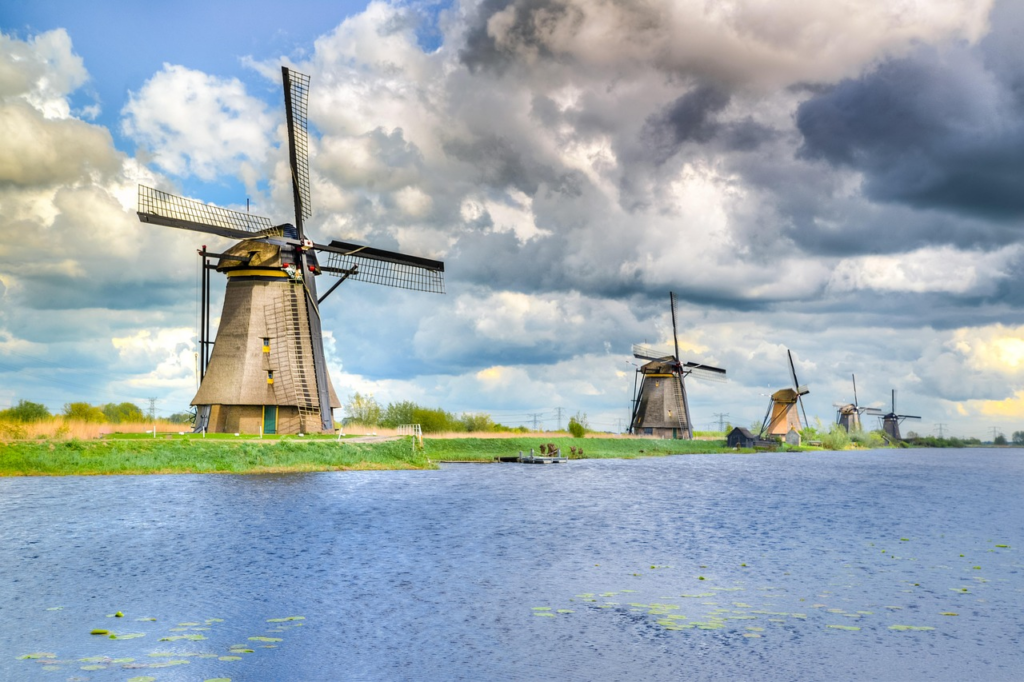
The 19 windmills were built around 1740 as part of a larger system designed to keep the Alblasserwaard dry. Waterways, dikes, sluices, windmills and later pumping stations worked together to move excess water away from the polder.
Kinderdijk was added to the UNESCO World Heritage List in 1997. The site is significant because the windmills, waterways and wider landscape still show the development of Dutch water management over several centuries. The mills remain in their original setting and are still associated with working millers and their families.
This is what distinguishes Kinderdijk from a heritage village where historic buildings have been moved together. The landscape is the attraction. The mills make sense because they remain connected to the waterways and low-lying land they were designed to manage.
Kinderdijk particularly suits photographers, walkers, cyclists, families and travelers interested in engineering, history or the Dutch relationship with water.
You may find it less rewarding if you have very limited time, dislike exposed outdoor attractions or mainly want shops, restaurants and indoor entertainment. Weather has a strong influence because much of the experience takes place outdoors.
What Can You See and Do?
The main experience is walking or cycling along the waterways between the windmills. The entrance and first viewpoints are the busiest, but the atmosphere often becomes calmer as you continue farther into the landscape.
Do not treat Kinderdijk as a single photo stop. Walk beyond the first mills and observe how the water, embankments, pumping stations and rows of windmills connect.
Visit the Museum Mills
Selected windmills are open as museum mills. Their interiors show how millers and their families lived and worked.
Visiting a mill adds practical context to the landscape. The rooms are compact, and historic stairs can be steep and narrow. This makes the interiors interesting but inaccessible to some visitors.
The museum mills do not all present exactly the same period or story. Visiting one is sufficient for a short trip, while a second can add more depth.
Learn About Water Management
The visitor locations explain how Kinderdijk developed from wind-powered drainage into a system that also uses pumping stations and modern technology.
The exhibitions and film help visitors understand that the windmills were part of a network rather than independent machines.
This information is particularly valuable on a first visit. Without it, Kinderdijk can easily be reduced to a scenic landscape without its most important story.
See the Windmills from the Water
A visitor ticket includes access to the official boat service operating within the heritage area.
The boat offers a different view of the windmills and can reduce the amount of walking. It is especially useful for families or visitors who want to see more of the landscape within a limited time.
Boat services can be affected by opening periods, weather and operational conditions. Check what is available on your visit date.
How Much Time Do You Need?
Allow two to three hours for a first visit. This gives you enough time to walk through the main windmill area, enter a museum mill and explore the visitor locations without rushing.
A short visit of approximately 90 minutes works when you mainly want to see the landscape and take photographs. You will need to be selective about museums and boat activities.
Reserve half a day when traveling from Rotterdam or Dordrecht. Transport, walking, indoor locations and a relaxed break quickly fill several hours.
A full day is unnecessary for most visitors unless Kinderdijk forms part of a longer cycling route or you combine it with another destination in the region.
Can You Visit Kinderdijk for Free?
You can experience the outdoor windmill landscape without entering all paid visitor locations.
A ticket is required for the official museum mills, visitor facilities, exhibitions and boat services included with admission. Ticket revenue supports the preservation and maintenance of the UNESCO World Heritage Site. [kinderdijk.nl], [kinderdijk.nl]
This creates two valid ways to visit.
A landscape-focused visit can consist of walking or cycling through the area and enjoying the exterior views. This may be sufficient when you have visited before, are passing through on a bicycle or mainly want to take photographs.
A paid visit gives you a more complete understanding of the site. The museum mills, film, pumping station and boat help explain how the water-management system worked and how people lived in the mills.
Is the Kinderdijk Ticket Worth It?
For most first-time visitors, yes. The ticket turns the visit from a scenic walk into a more complete heritage experience.
At the time of verification in October 2026, the official standard prices were €21 for adults and €9 for children aged 4 to 12, with free admission for children aged 0 to 3. The official ticket page advertised a 10% discount for online purchases. Prices and inclusions can change, so verify them before publishing or booking.
Choose a paid ticket when you want to enter the museum mills, use the visitor boat and understand the history of Dutch water management.
Choose a landscape-only visit when time is limited or indoor heritage experiences are not a priority.
Best Time to Visit
Early morning is best for a quiet walk and softer light. It also allows you to explore the paths before the busiest day visitors arrive.
The disadvantage is that museum mills, boats and exhibitions may not yet be operating. Check the official opening time and begin with the outdoor landscape if you arrive early.
Late morning and early afternoon provide the broadest access to visitor facilities but are usually busier. Continue beyond the entrance area rather than assuming the entire site feels equally crowded.
Late afternoon can offer attractive light and fewer organized groups. Make sure you leave enough time for the museum mills and other visitor locations before they close.
Spring and early autumn offer a good balance between outdoor comfort and visitor numbers. Summer provides long daylight but can be busy. Winter can be atmospheric, although the open landscape may feel cold and exposed and visitor hours are shorter.
For 2026, the official site listed regular daily visitor hours from 09:00 to 17:30 between 6 March and 1 November, followed by shorter winter hours. Opening periods change, so visitors should confirm the date-specific schedule.
How to Get to Kinderdijk from Rotterdam
Kinderdijk does not have a railway station. From Rotterdam, the most attractive route is generally by water when the direct service operates.
By WaterShuttle
The direct WaterShuttle travels between Rotterdam and Kinderdijk in approximately 30 minutes. In the main 2026 operating period, it ran daily from 23 March through 25 October, followed by a reduced Friday-to-Sunday schedule. The WaterShuttle requires a separate ticket and is not ordinary public transport.
This is the simplest scenic option when the timetable matches your visit. It also allows the journey to become part of the experience.
Schedules change by season. Check the exact departure and final return service before traveling.
Other Routes
Alternative water routes may involve a regular Waterbus journey followed by a local ferry or a connection through Alblasserdam. Bus routes are also possible, depending on your starting point and travel date.
These alternatives require more planning than the direct WaterShuttle. Use a current journey planner and check the complete return journey.
By Car
Drivers should follow the official parking instructions rather than attempting to park beside the windmills.
Official ticket information can direct visitors to a transfer facility in Alblasserdam, followed by a shuttle to Kinderdijk. Allow additional time between parking and the visitor entrance. [tickets.ki…erdijk.com],
Parking arrangements may change during events and busy periods. Check the current instructions before departure.
Accessibility and Visiting with Children
The outdoor landscape is flat, but distances, path surfaces and weather can still affect accessibility.
Historic museum mills contain confined spaces and steep stairs. They were not designed for step-free access, so visitors with limited mobility should confirm which locations are suitable before buying tickets.
The visitor boat may reduce the amount of walking, but boarding accessibility should also be checked in advance.
Kinderdijk can work well for families. Children may enjoy the windmills, boats and open landscape, while the visitor locations explain water management visually.
Young children should be supervised closely beside the waterways. For many families, a two- to three-hour visit with one museum mill and a boat trip is more successful than trying to see every visitor location.
Kinderdijk or Zaanse Schans?
Choose Kinderdijk when you want an open windmill landscape, Dutch water-management history and a natural combination with Rotterdam or Dordrecht.
Choose Zaanse Schans when you want easy access from Amsterdam, several types of industrial windmills, historic wooden buildings and traditional craft demonstrations within a compact heritage village.
Kinderdijk provides the stronger landscape and water-management story. Zaanse Schans offers more variety, workshops and indoor attractions.
The right choice depends mainly on your route and interests. You do not need both on a short first trip unless windmills are a major priority.
Practical Tips
Allow enough time to continue beyond the first group of windmills. The experience becomes calmer farther along the paths.
Check official opening hours, boat availability and your return transport for the exact visit date.
Buy a ticket if you want to understand the water-management story rather than only photograph the landscape.
Wear comfortable shoes and bring protection against wind or rain. The open polder can feel colder than central Rotterdam.
Supervise children beside the waterways and inside the compact museum mills.
Do not expect every windmill to be turning. Operation depends on weather, maintenance and the presence of a miller.
Final Verdict
Kinderdijk is one of the best places in the Netherlands to combine iconic windmill views with a meaningful explanation of Dutch water management.
Allow two to three hours at the site and treat the visit as a half-day excursion from Rotterdam. Walk beyond the entrance area, enter at least one museum mill and add the visitor boat if it is operating.
A free landscape visit can be worthwhile, but the paid visitor locations provide the historical and technical context that makes Kinderdijk more than a famous photograph.
Choose Zaanse Schans instead when proximity to Amsterdam, crafts and several types of industrial windmills matter more than landscape and water management.
Frequently Asked Questions
Is Kinderdijk Worth Visiting?
Yes. Kinderdijk is particularly worthwhile for windmill views, photography, walking and learning about Dutch water management.
How Long Do You Need?
Allow two to three hours at Kinderdijk. Reserve half a day when including transport from Rotterdam, museum mills and the visitor boat.
Can You Visit Kinderdijk for Free?
You can walk or cycle through the outdoor landscape without entering every paid visitor location. Museum mills, exhibitions and official boat services require a ticket.
Is the Kinderdijk Ticket Worth It?
Yes for most first-time visitors. It adds access to museum mills, exhibitions and the visitor boat, providing context that the outdoor landscape alone cannot offer.
What Is the Best Time to Visit?
Early morning is best for quieter paths. Late afternoon may offer softer light and fewer groups, but check closing times for the visitor locations.
How Do You Get There from Rotterdam?
Use the direct WaterShuttle when its seasonal schedule matches your visit. Alternative routes may involve Waterbus, ferry or bus connections.
Is Kinderdijk Wheelchair Accessible?
Parts of the outdoor landscape are relatively accessible and flat, but historic mill interiors contain steep stairs and confined spaces. Check individual visitor locations and boat access before traveling.
Is Kinderdijk Better Than Zaanse Schans?
Kinderdijk is better for landscape and water-management history. Zaanse Schans is easier from Amsterdam and offers crafts, museums and several types of industrial mills.